iOS 26 is rolling out on Monday, September 15, 2025, with a major visual refresh and deeper Apple Intelligence features.
Release Date
- Global release begins Monday, September 15, 2025, following Apple’s typical mid-September schedule aligned with the new iPhone lineup.
Headline Features
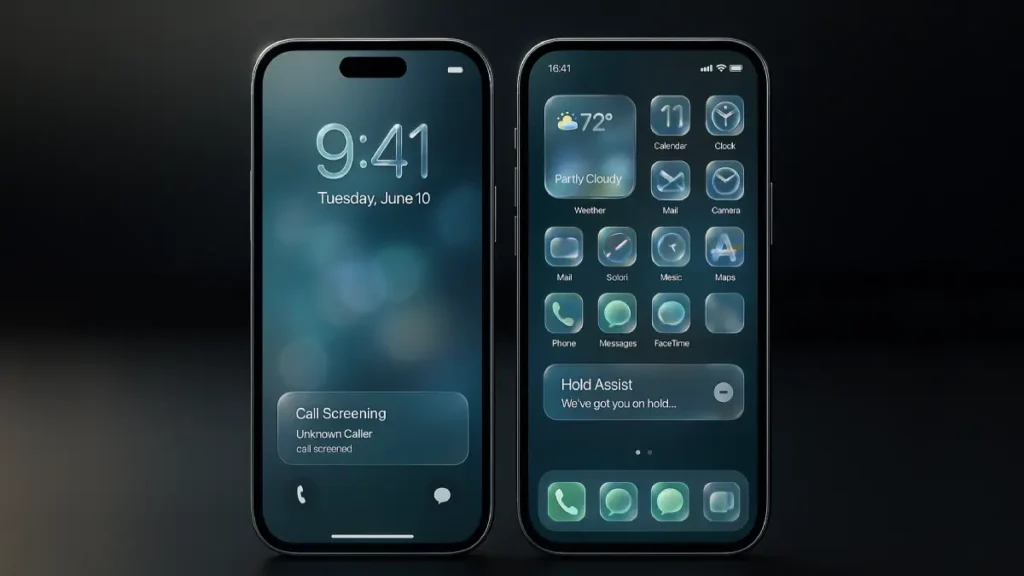
- Liquid Glass design: A translucent, fluid visual system that refreshes icons, controls, widgets, and navigation while keeping familiarity intact.
- Apple Intelligence upgrades: Smarter on‑device features, including richer summaries, better context-aware actions, and expanded visual intelligence like searching from screenshots.
- Phone app improvements: Call Screening to handle unknown callers and Hold Assist to wait on hold and alert when a human joins.
- Messages enhancements: Conversation backgrounds, polls in group chats, and more expressive controls.
- Battery and performance: Adaptive Power Mode on supported devices for smarter power management.
- App updates: Improvements across Apple Music, Maps, Wallet, CarPlay, and a new Apple Games hub for organizing titles and achievements.
Availability and Devices
- Free over‑the‑air update via Settings > General > Software Update on compatible iPhones.
- Ships with the latest iPhone lineup and extends to a broad range of recent models; exact compatibility appears in Apple’s release notes at launch.
Tips Before Updating
- Back up to iCloud or a computer to protect data.
- Ensure at least 50% battery or connect to power.
- Keep sufficient storage free for the installer.
- Check region and device notes for Apple Intelligence availability and language support.
What’s Different from iOS 18
- Visual overhaul with Liquid Glass replaces the more incremental design of iOS 18.
- Apple Intelligence moves from early foundations to broader, deeper integration across system apps.
- Communication tools gain proactive, time‑saving features like Hold Assist and more robust call filtering.