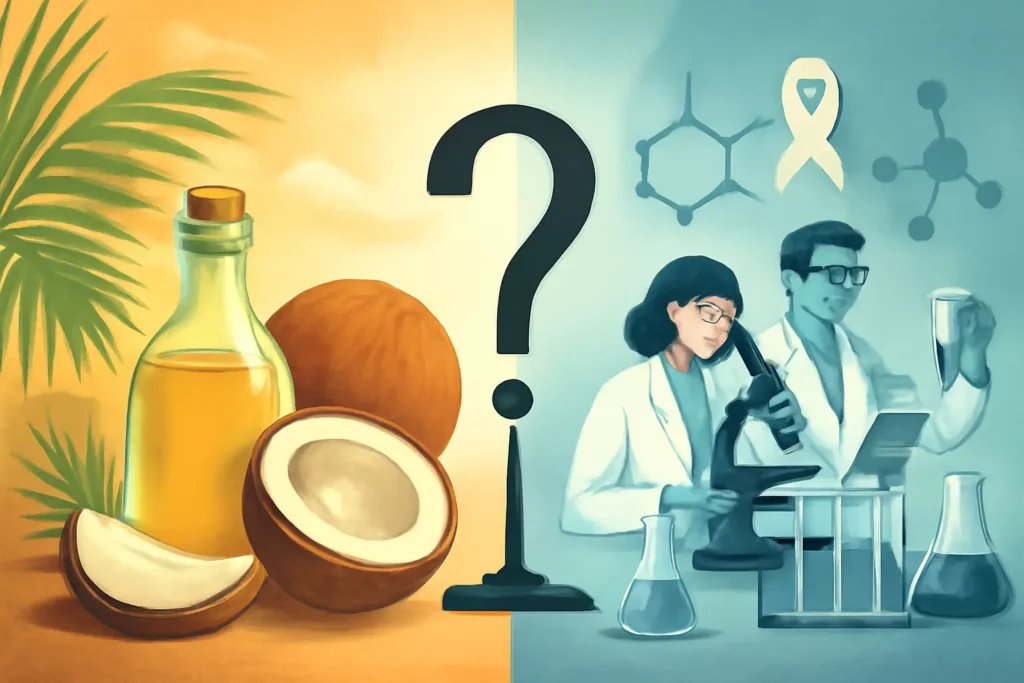
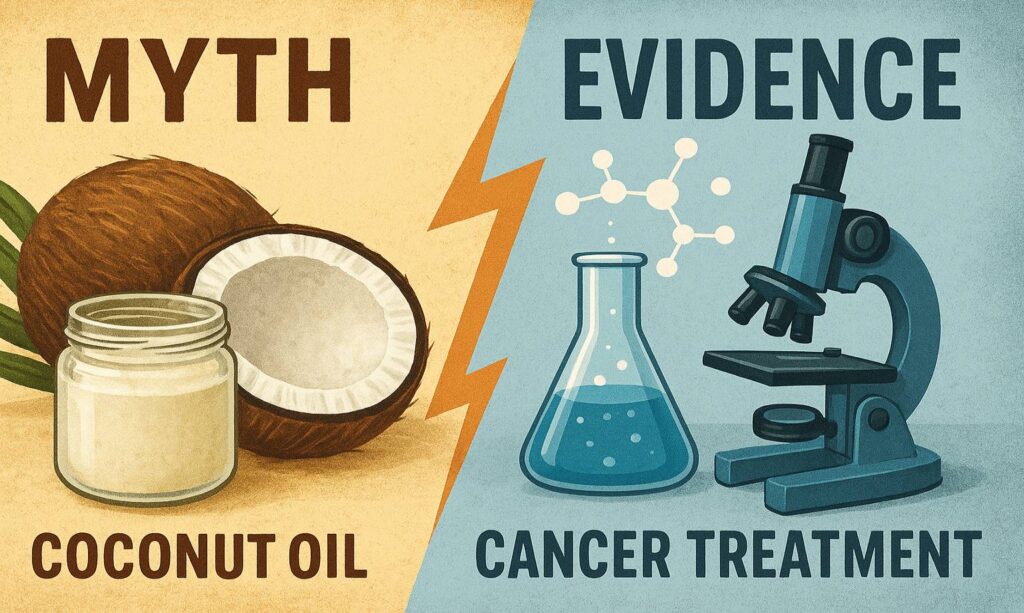
The claim that coconut—whether oil, water, or kernel—treats cancer is compelling but unsupported by clinical evidence; lab and animal findings do not translate into proven human therapies, and substituting coconut for standard care can be dangerous. This article uses a skeptical, evidence-first structure to separate petri-dish promise from patient-level reality while offering practical guidance and a concise table comparing claims vs. evidence.
Executive Summary
- Coconut compounds show anticancer activity in cells and some animal models, but no human clinical trials demonstrate treatment or cure.
- Coconut water supports hydration; coconut oil is a saturated fat with cardiovascular trade-offs; neither replaces surgery, chemotherapy, radiotherapy, or immunotherapy.
- If coconut-derived molecules ever help in oncology, it will likely be through engineered formulations tested in trials—not kitchen remedies.
Why This Claim Persists
- “Natural” and familiar foods feel safer and more approachable than pharmaceuticals.
- Early-stage studies are often misread as clinical proof, amplified by online echo chambers.
What Counts as Evidence
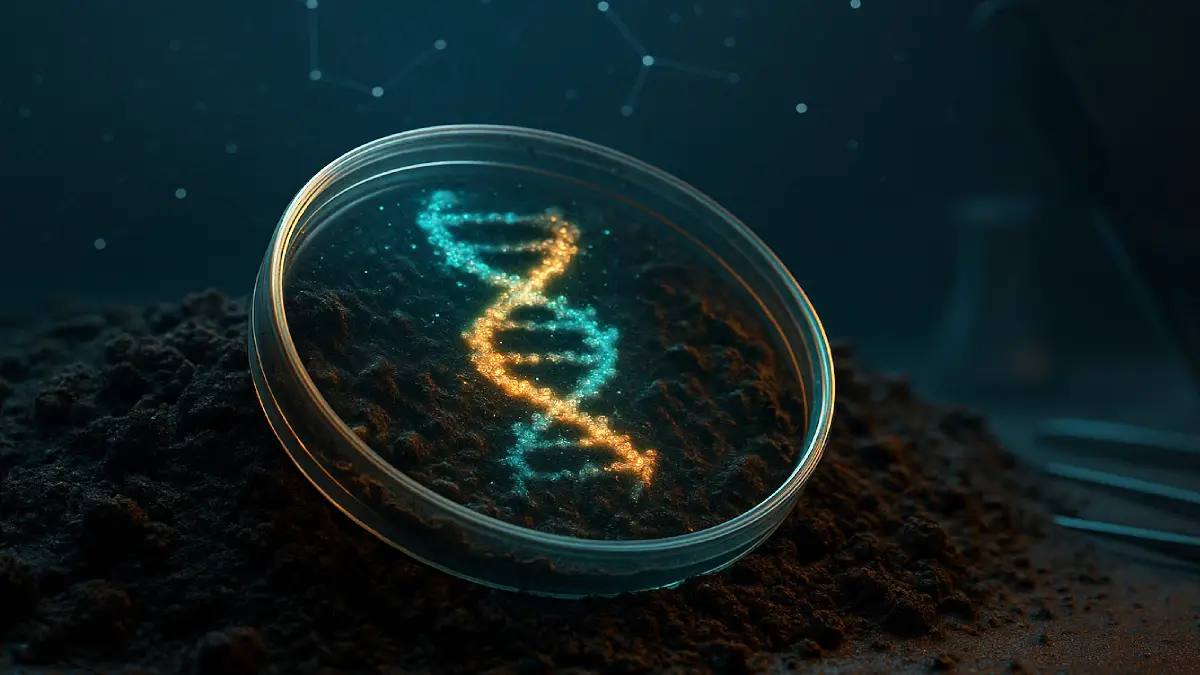
- In vitro studies test cells in dishes.
- Animal models explore mechanisms and dosing.
- Human evidence requires controlled clinical trials that demonstrate safety and efficacy.
Preclinical Findings: What the Lab and Animals Show
In Vitro (Cell Studies)
- Lauric acid and virgin coconut oil (VCO) have shown apoptosis induction, oxidative stress increases, and cell-cycle effects in certain cancer cell lines.
- Nanoemulsion or delivery-system studies can enhance drug effects in dishes, but these are not equivalent to eating coconut oil.
Animal Models
- Extracts from coconut kernel and related lipids have reduced tumor markers or lesion formation in select rodent models.
- Doses, formulations, and tumor biology differ from humans, and results often fail to replicate in clinical settings.
See also How NASA’s GUARDIAN Spots Tsunamis in 20 Minutes—and Where It Fits in the Warning Ecosystem
The Human Evidence Gap
No Proven Treatment Effect
- There are no high-quality randomized trials showing coconut oil, kernel extract, or coconut water treat or cure cancer in humans.
- Major oncology guidance emphasizes comprehensive nutrition to tolerate therapy—not coconut as therapy.
Nutrition vs. Therapy
- Coconut water can aid hydration; coconut oil is calorie-dense and high in saturated fat; neither has demonstrated anticancer efficacy in human trials.
- Replacing or delaying evidence-based treatments for coconut products risks worse outcomes.
Safety, Trade-offs, and Realistic Roles
Cardiometabolic Considerations
- Coconut oil’s saturated fat can worsen lipid profiles; survivors and patients on cardiotoxic regimens should weigh cardiovascular risks.
- Unsaturated fats (e.g., olive, canola) are generally preferred within oncology nutrition guidance.
Adjunct Hypotheses (Unproven)
- Some rodent and mechanistic data suggest potential mitigation of treatment toxicity or pathway modulation; this remains hypothesis-generating.
- Pharmacokinetics, bioavailability, and tumor microenvironment constraints mean dietary intake is unlikely to reach therapeutic concentrations.
Practical Guidance
For Patients and Caregivers
- Do not substitute coconut products for prescribed treatments; discuss any supplements with the oncology team.
- Culinary use of coconut in moderate amounts can fit a balanced diet; prioritize total protein, calories, and unsaturated fats for treatment tolerance.
- Evaluate claims by asking: Is there a peer-reviewed human trial? What outcomes improved? Are risks addressed?
For Clinicians
- Acknowledge interest in natural approaches while clarifying evidence tiers.
- Screen for high-dose coconut oil use in patients with dyslipidemia or cardiac risk.
- Guide toward reliable nutrition resources and, when appropriate, registered dietitians specialized in oncology.
Comparative Table: Claims vs. Evidence
| Coconut Product / Claim | What’s Claimed | What Preclinical Shows | Human Evidence | Key Risks / Considerations |
|---|---|---|---|---|
| Coconut oil treats cancer | Kills cancer cells, shrinks tumors | Apoptosis and antiproliferative effects in select cell lines; signals in some rodent models | No randomized trials showing treatment benefit | High saturated fat; potential lipid profile worsening; treatment delay risk |
| Lauric acid is anticancer | Targeted cancer killing | Mechanistic apoptosis/ROS/cell-cycle effects; delivery-system promise in vitro | No proven clinical efficacy as a standalone or supplement | Unknown effective dosing in humans; bioavailability limits |
| Coconut water cures cancer | Natural cure via hydration/electrolytes | Not applicable | No evidence of anticancer effect; hydration support only | Treatment substitution risk; sugar content concerns in some patients |
| Coconut as chemo adjunct | Reduces toxicity, boosts drugs | Rodent signals of toxicity modulation; nanoemulsion delivery synergy in vitro | No validated clinical benefit | Requires controlled trials; interactions unknown |
Bottom Line
- Coconut’s lab signals are real but preliminary; human therapy claims are not supported.
- Use coconut products as food, not medicine; keep intake moderate and within a heart-healthy plan.
- Real oncology advances from coconut-like compounds will come, if at all, via rigorous trials and engineered formulations.
Related Posts