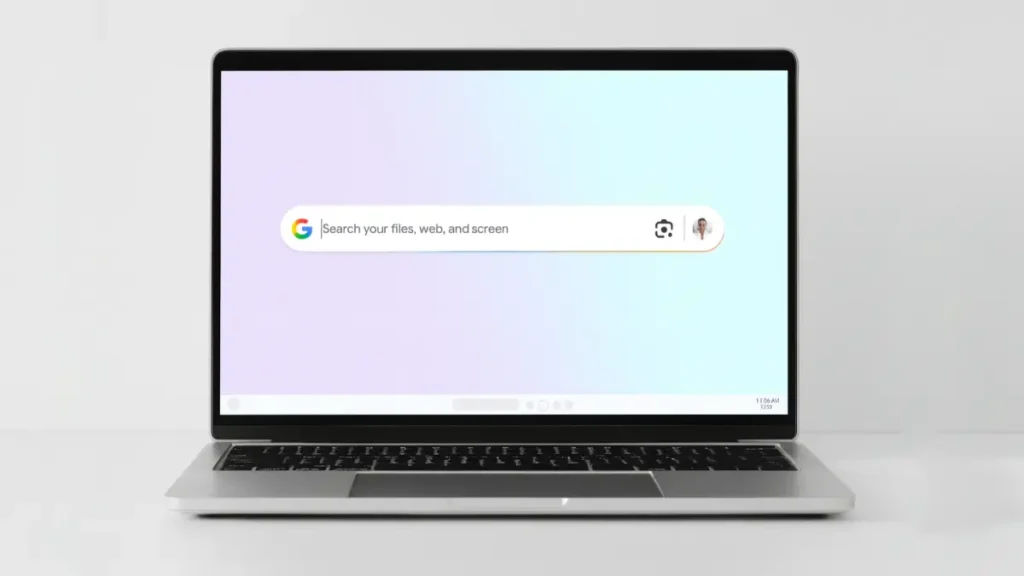
Google has introduced an AI-powered desktop search app for Windows that behaves like a Spotlight-style launcher—instantly indexing local files, apps, cloud documents, and web content—while adding Lens and AI responses directly into the desktop workflow. This isn’t merely a feature race; it’s a strategic bid to own the entry point for intent on the world’s dominant desktop platform.
What Actually Launched
- Experimental Windows desktop app accessible via a global shortcut that opens a universal search bar for files, apps, Google Drive, and web content.
- Integrated Google Lens for on-screen visual search, translations, and object identification without switching apps.
- An AI Mode for conversational, multi-step queries, enabling semantic answers alongside traditional results.
- Early rollout scope: limited availability and language support, with iterative development expected as usage patterns emerge.
The System It Plugs Into
- OS layer: Mimics macOS Spotlight’s command-bar efficiency while targeting long-standing performance gaps in Windows’ native search for power users.
- Cloud layer: Tight Drive integration blends local and cloud discovery, nudging daily workflows toward Google’s ecosystem inside Windows environments.
- AI layer: Semantic understanding turns vague, task-oriented prompts into relevant resources, moving beyond filename or keyword matches.
Why This Challenges Windows Search
- Habit capture: A fast, reliable Alt + Space launcher can become muscle memory, displacing Start/Taskbar search as the default interaction.
- Ecosystem leverage: By routing actions through Google’s bar, downstream clicks increasingly land in Google properties and services.
- Copilot pressure: Microsoft must keep Copilot and Windows search compelling enough to remain the first stop for intent, not a fall-back.
Product Mechanics That Matter
- Command palette behavior: Instant, interrupt-anything access maps to dozens of daily micro-actions, compounding perceived speed and utility.
- Lens-on-desktop: Bringing mobile-native “circle and understand” behavior to PC screens reduces context switching and accelerates comprehension.
- Mode-switching UX: Seamless toggling between classic results and AI answers normalizes AI in routine workflows without forcing it.
- Distribution and defaults: As a Labs experiment, the app can iterate on privacy, performance, and enterprise readiness before aggressive scaling.
The Supply Chain of Attention
- Desktop search is a routing fabric: launch, open, preview, copy, and share all flow through the first input box a user trusts.
- Owning the bar means owning the query—and the downstream journey into documents, apps, and the browser.
- Over time, query ownership influences default browser choice, identity sign-ins, and storage preferences.
Microsoft’s Likely Response
- Double down on speed and recall for local search to neutralize the perceived need for third-party launchers.
- Tighten Copilot integration at the OS level so conversational workflows remain native, not ceded to competing layers.
- Focus on enterprise assurances, device governance, and admin controls to retain trust in managed Windows fleets.
Constraints, Privacy, and Trust
- Local indexing vs. cloud processing raises questions about what data leaves the device and under what conditions.
- Expect opt-in flows for Drive, granular controls for AI Mode, and clear data-handling disclosures tailored for consumer and enterprise contexts.
- Enterprise adoption will hinge on auditability, policy controls, and clarity on data separation across personal and managed accounts.
Second-Order Effects to Watch
- Launcher consolidation: Quick actions, system commands, and app-specific tasks could fold into one bar, reducing reliance on multiple utilities.
- Workspace stickiness: Smooth Drive discovery inside Windows subtly strengthens Google Workspace in Microsoft-heavy environments.
- Zero-click acceleration: If AI Mode reliably resolves intent inline, users may increasingly accept answers without opening separate apps or pages.
- Browser gravity: Even without changing defaults, a Google-first launcher can shift session origin toward Google surfaces.
Competitive Landscape Reconfigured
- Apple refined Spotlight as a native affordance; Microsoft is fusing Copilot into Windows; Google now inserts a cross-layer meta-launcher into Windows.
- This is less about a new search engine and more about controlling the first mile of intent on the desktop.
- If Google’s bar feels faster, smarter, and less disruptive, its dominance could become effectively invisible—felt in habits, not features.
Practical Takeaways for Teams
- Pilot with power users to quantify retrieval speed, recall, and task completion deltas across common workflows.
- Map content sources and governance to ensure the right balance between local indexing, Drive integration, and compliance needs.
- Define AI defaults by task type, keeping deterministic queries classic and embracing AI where ambiguity or synthesis helps.
- Track launcher usage telemetry; rising global-shortcut frequency signals habit formation and potential displacement of native search.